America's 250th — A Four-Part Series
7. A Much Younger Story
American perfume as an industry doesn't meaningfully exist until 1946. There's no colonial-era equivalent to Laird's on the fragrance side, no organized American perfume house, no 18th-century recipe worth reprinting. Washington did have a favorite scent, Dr. William Hunter's Number 6, sold out of a Newport apothecary starting in 1752. He liked it enough to give it away as gifts. One preference isn't an industry.
What America does have is Estée Lauder, and her own story is, fittingly, an immigrant story. She was born Josephine Esther Mentzer in Queens, the daughter of Hungarian Jewish immigrants. She and her husband Joseph founded Estée Lauder Cosmetic Co. in 1946 out of a former Manhattan restaurant, cooking up formulas on the restaurant's old burners. The company's real turning point came in 1953 with Youth-Dew, a bath oil doubling as a perfume. Lauder deliberately avoided calling it perfume at all, because at the time, women didn't buy fragrance for themselves, they waited for it as a gift. Youth-Dew broke that pattern by design. It sold 50,000 bottles in its first year. By 1984, that number had grown to 150 million.
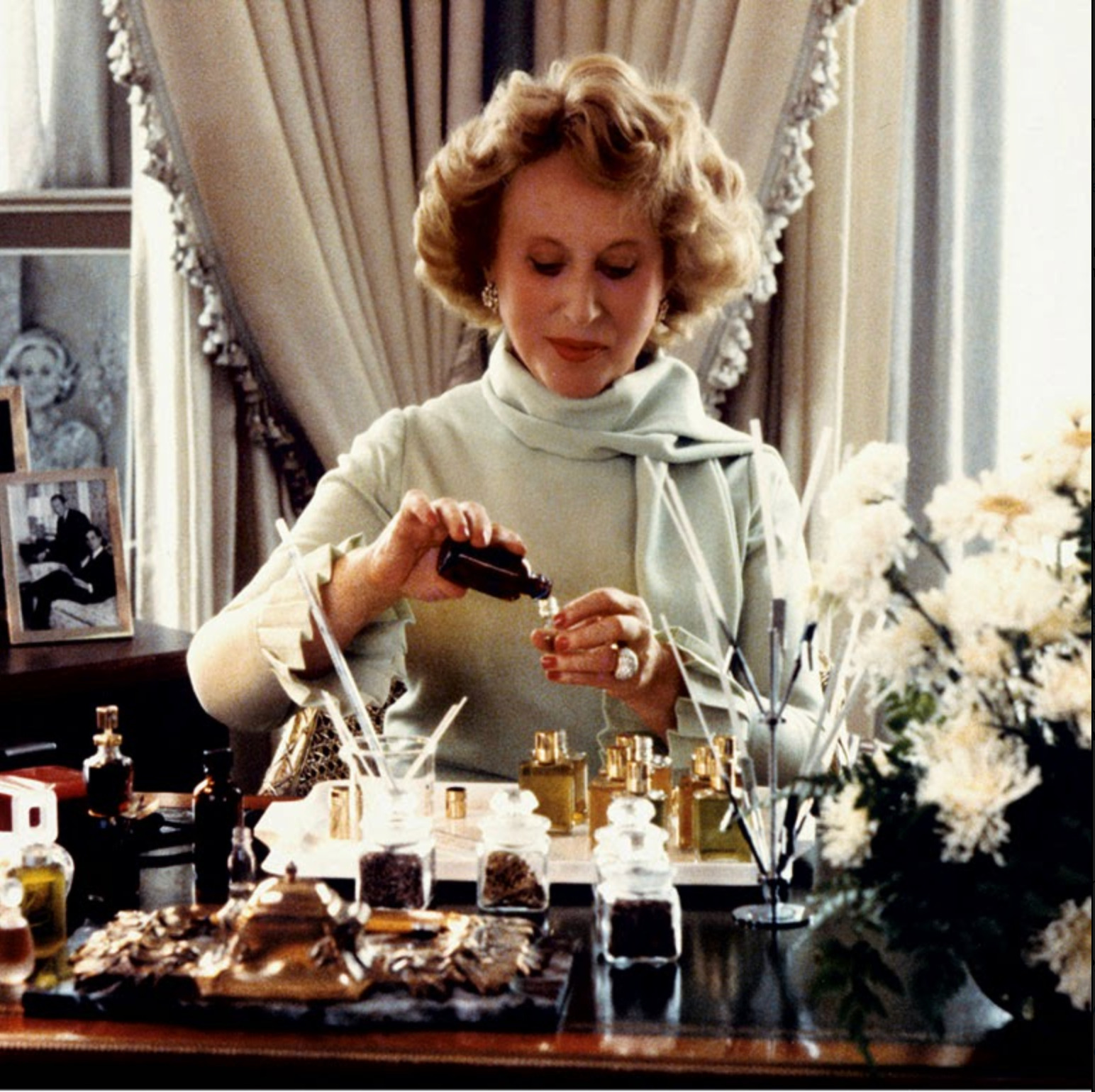
Estée Lauder at work, mixing formulas herself.
Aramis followed in 1964, Estée Lauder's men's line, another early and lasting piece of the American fragrance world. The brand is still active today. It launched Intuition in 2025, fronted by Dwyane Wade, and followed it with Intuition Intense in 2026.
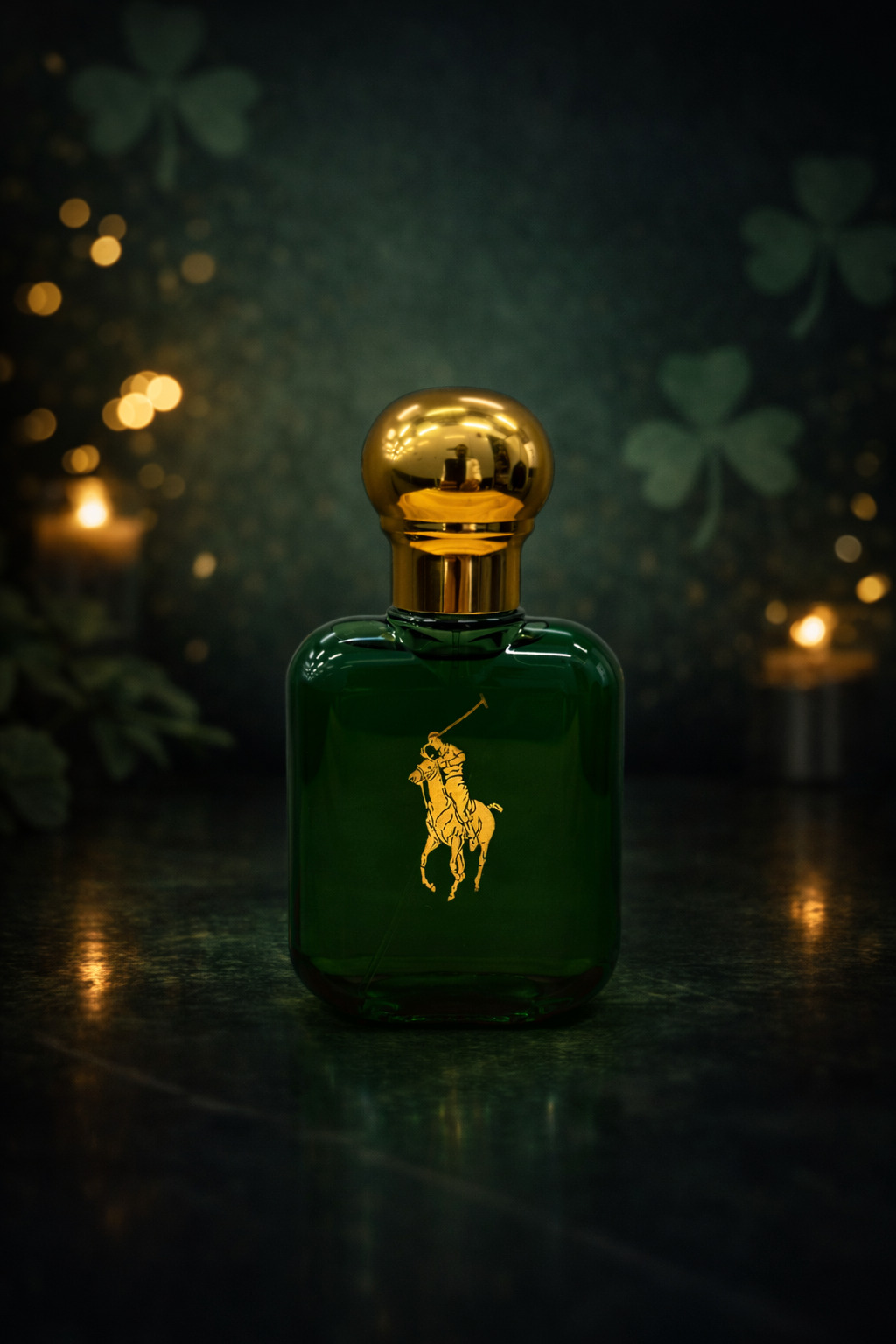
Ralph Lauren has an immigrant story too, a first-generation version instead of Lauder's founding one. Ralph Lifshitz grew up in the Bronx, the son of Jewish immigrants from Belarus. He changed his name at sixteen after years of being teased for it. He built Polo from a single drawer in the Empire State Building, delivering ties to department stores himself. His first fragrances, Lauren for women and Polo for men, launched two weeks apart in March 1978, the first time any designer released both genders at once.
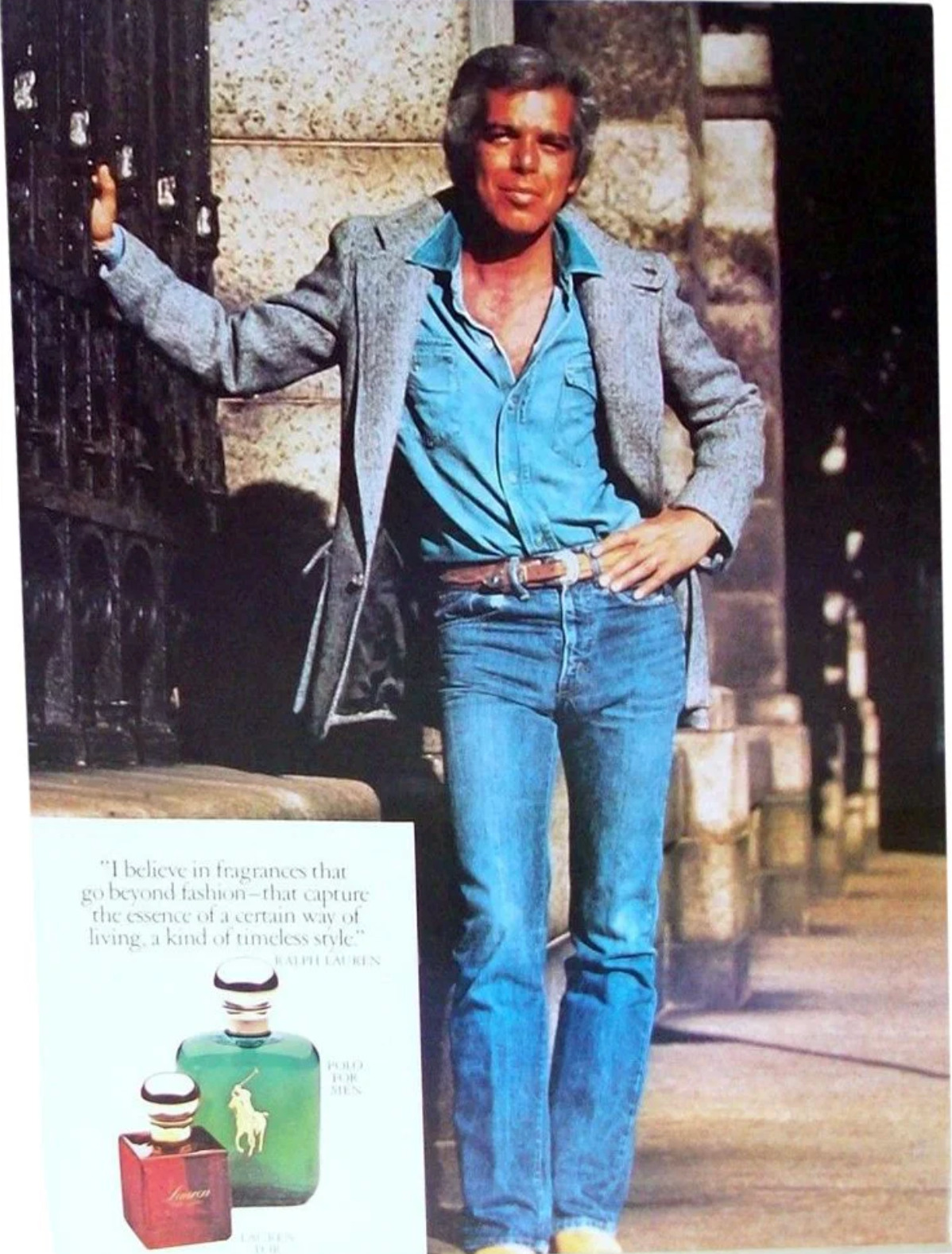
Ralph Lauren, 1978.
Not every part of this story is about growth. American perfume has a diversity problem it hasn't fixed, and the industry has its own uncomfortable number to show for it. According to career-data firm Zippia, 68.6% of American perfumers are white, and a training pipeline running mostly through French perfumery schools has kept it that way for decades. That gap runs deeper than this piece has room for.
8. Covered Properly, Elsewhere
Rather than compress African ingredient sourcing or the American perfumers building past that gap into a few lines here, both are already covered properly:
- Africa's Ingredients: What the Continent Gives Perfumery and Who Actually Benefits covers where the raw materials behind global perfumery actually come from.
- Juneteenth Special: The Builders You Never Heard Of covers Moodeaux, Kimberly New York, Qhue, Harlem Perfume Co., and La Boticá, five American perfumers building real houses today.
9. The American Niche Wave
American perfume splits into two business models today. One chases the department store counter. The other doesn't.
Ralph Lauren and Calvin Klein both stayed in the first camp. Ralph Lauren's fragrance business moved from Warner-Lauren to a license with L'Oréal. Calvin Klein followed with Obsession in 1985, now licensed to Coty. Both were built for scale from day one, sold everywhere, designed to be mass market.

Lauren, launched in 1978.
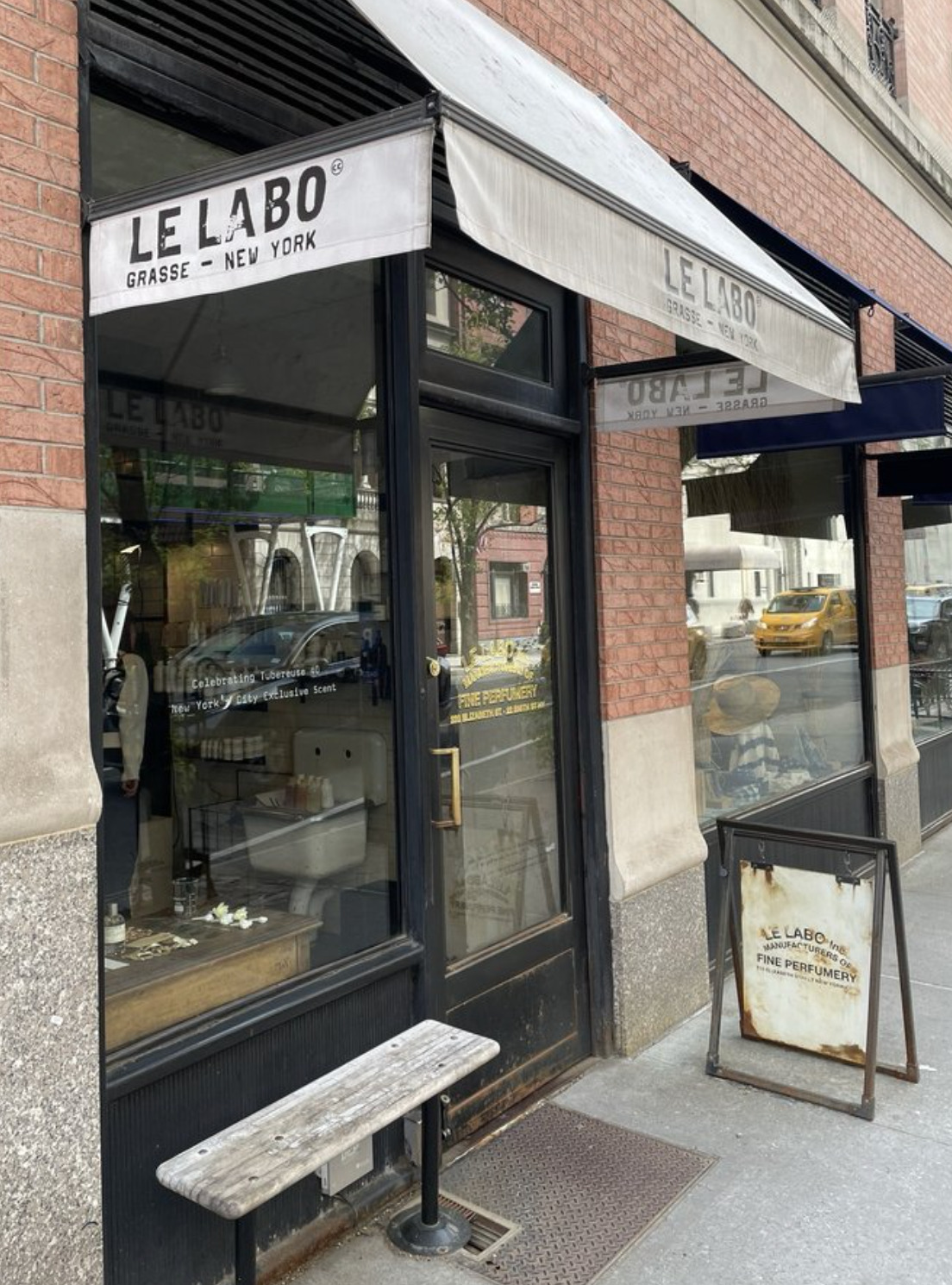
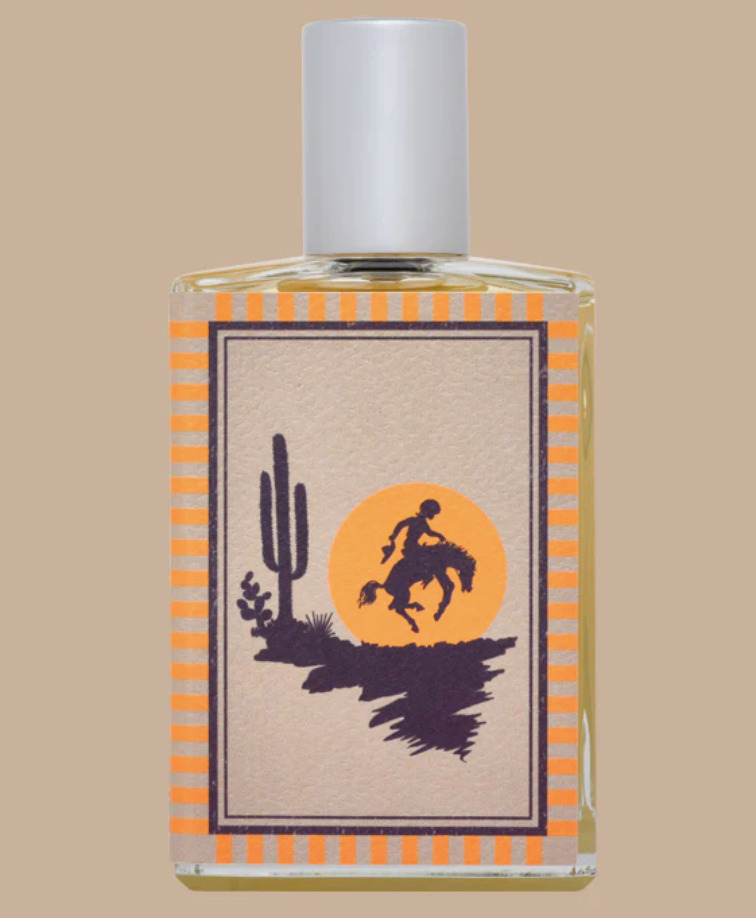
Estée Lauder's own empire owns a genuinely startling share of prestige perfume globally today, Le Labo, Jo Malone, and Tom Ford Beauty among its brands. But a separate wave of independent American houses built something different over the last two decades: Le Labo itself (New York, 2006), D.S. & Durga (Brooklyn), Imaginary Authors (Portland), and CB I Hate Perfume (Christopher Brosius, Brooklyn). None of them chased the department store model. All of them found an audience directly.
10. Houses Worth Knowing
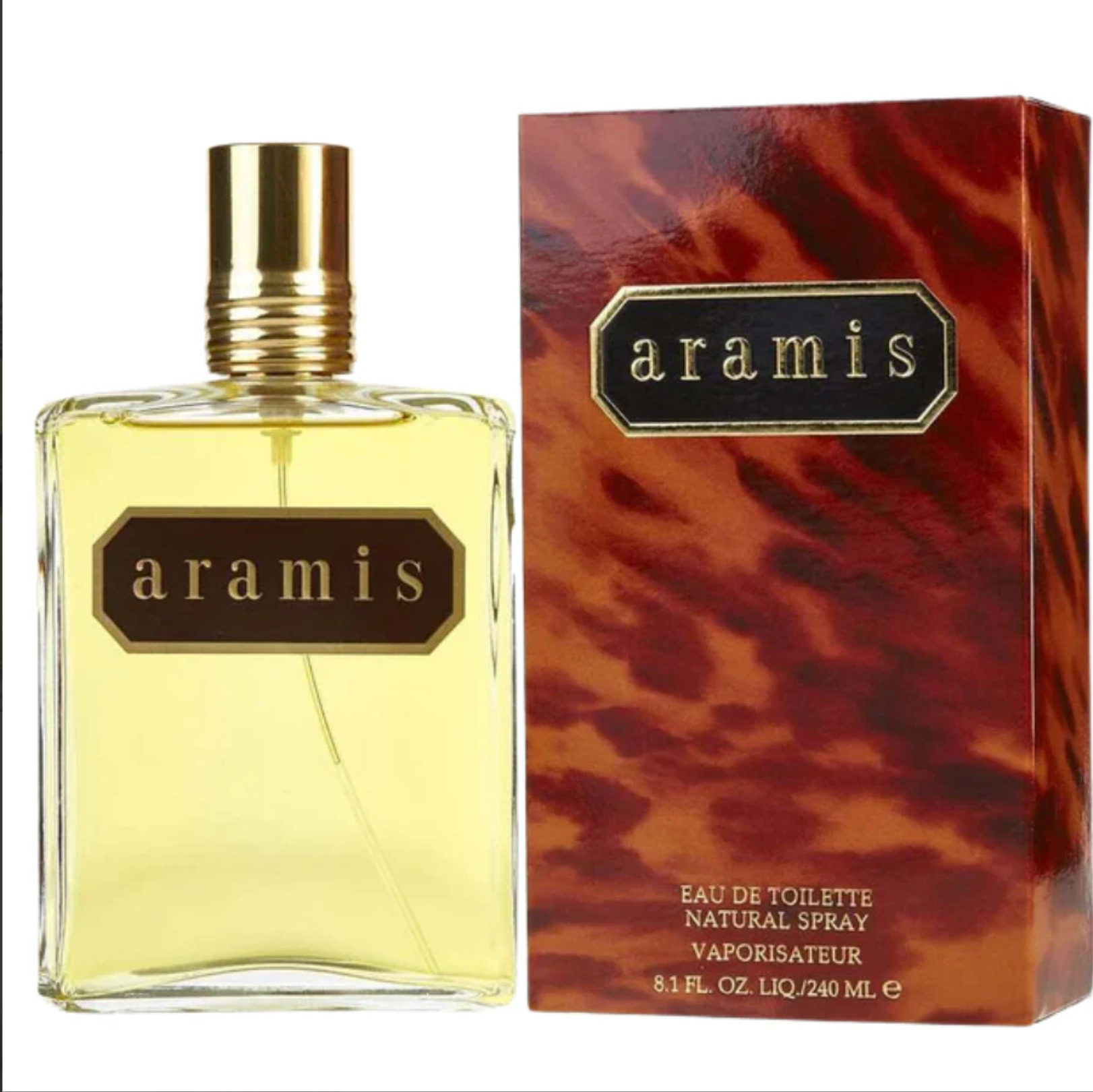
Estée Lauder, the empire that started this whole industry in 1946, still the largest name in American prestige perfume.
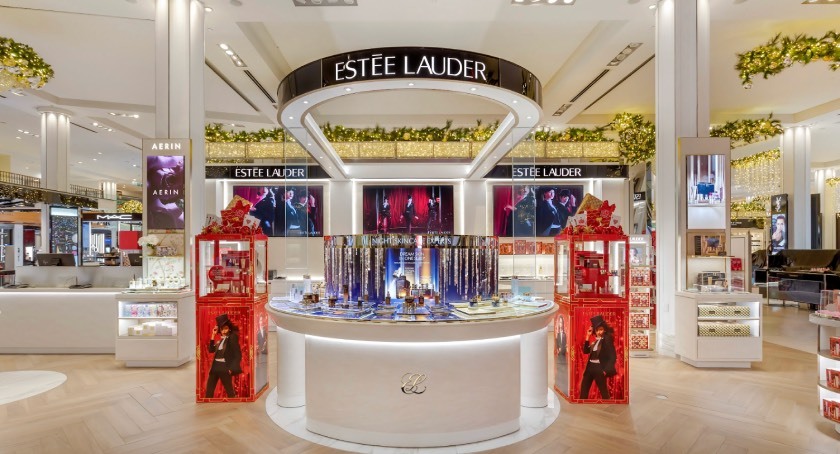
Aramis, Estée Lauder's men's line since 1964, still releasing new fragrances sixty years later.
Ralph Lauren, mass market by design since 1978, now made under license by L'Oréal.
Calvin Klein, Obsession launched the brand into fragrance in 1985, now licensed to Coty.

Le Labo, New York, 2006, the house that helped define what American niche perfume even is.
D.S. & Durga, Brooklyn, built a following without a department store deal.

Imaginary Authors, Portland, storytelling-driven niche perfume outside the coastal centers.
CB I Hate Perfume, Christopher Brosius, Brooklyn, one of the originators of American conceptual perfumery.

11. American Culture as Marketing
America's real export in this whole story isn't a spirit or a scent. It's the marketing machinery around both, and that machinery runs through books, theater, film, and now platforms that didn't exist twenty years ago.
Books
The Great Gatsby did more to mythologize bootlegging than any advertising campaign of its era managed. Gatsby's fortune is implied, and eventually confirmed, to come from illegal liquor sales, and Fitzgerald reportedly drew partial inspiration for the character from George Remus, a real Cincinnati bootlegger known at the time as the “King of the Bootleggers.” A novel that is, at its core, about the emptiness of that wealth still managed to make Prohibition-era excess look glamorous to generations of readers who came after it.
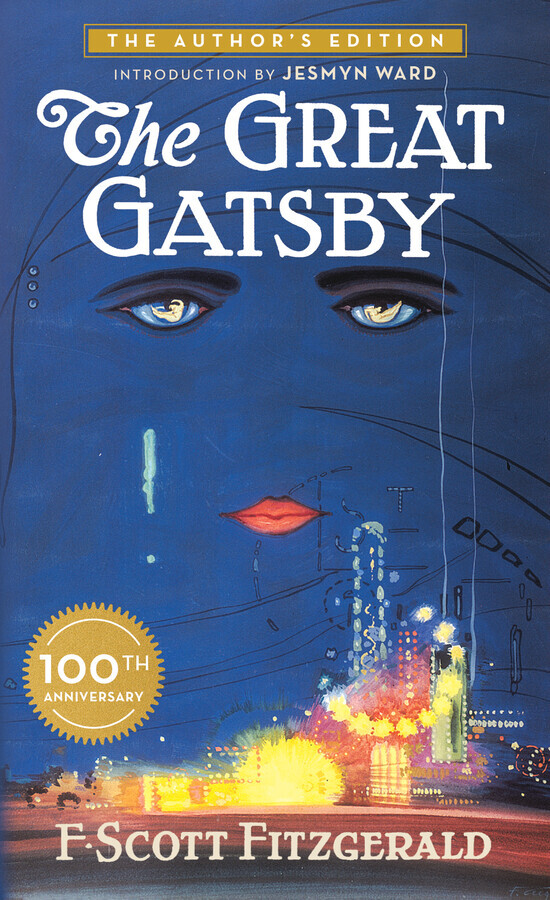
The Great Gatsby, 1925.
Perfume got its own novel too, just a much darker one. Bret Easton Ellis put a real cologne on Patrick Bateman in American Psycho, PS Fine Cologne by Paul Sebastian. Decades later, that scene turned it into a cult item among fragrance collectors, entirely on the strength of one fictional serial killer's grooming routine, not anything the brand itself ever did.
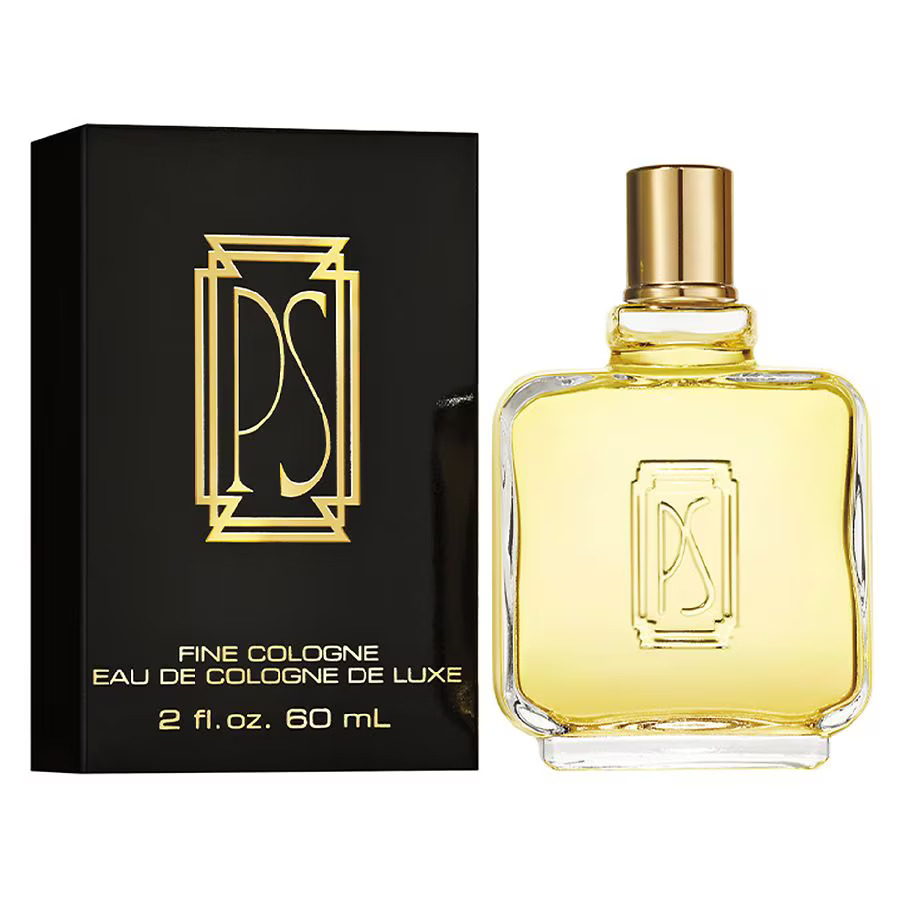
PS Fine Cologne, Patrick Bateman's cologne in American Psycho.
A newer example skipped fiction and went straight to the source. Heretic Parfum licensed the estate of writer and illustrator Edward Gorey for a 2025 holiday collection of room sprays, including scents named Sumptuous Afternoon and The Haunted Tea Cosy. Heretic's founder got the deal by sending the estate a cold email.
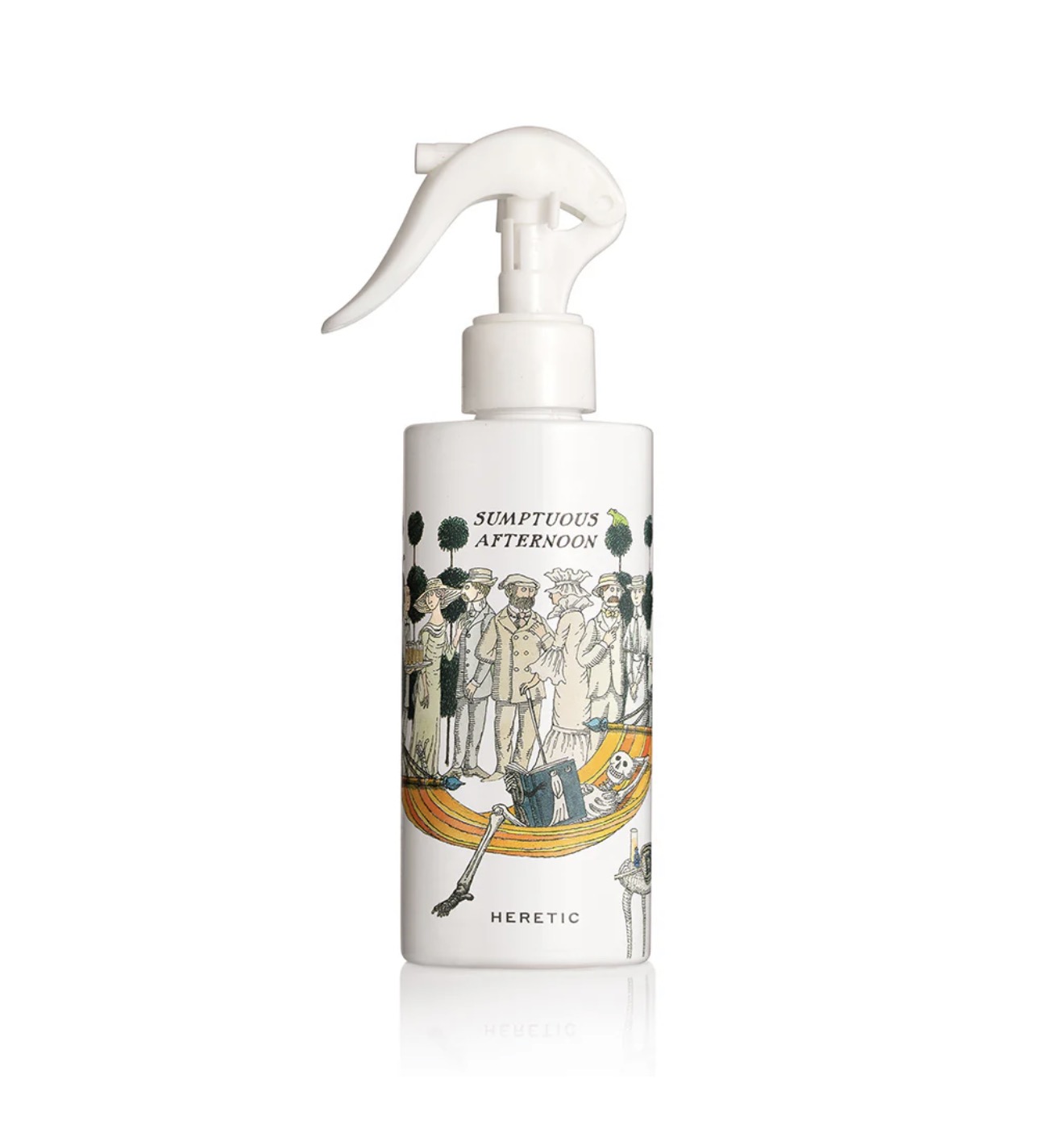
Sumptuous Afternoon, from Heretic's Edward Gorey collection.
Theater
American theater took the opposite approach. Where Gatsby glamorized, the stage tended toward tragedy. Eugene O'Neill's Long Day's Journey Into Night and Tennessee Williams' Cat on a Hot Tin Roof both build entire character studies around alcoholism, not celebration of it. Theater used the same subject fiction did, for the opposite purpose.
Perfume's relationship with theater runs warmer. Harlem Perfume Co. partnered with Lincoln Center Theater on a candle honoring its 2026 revival of Ragtime, sold as a companion piece to the show rather than a souvenir.
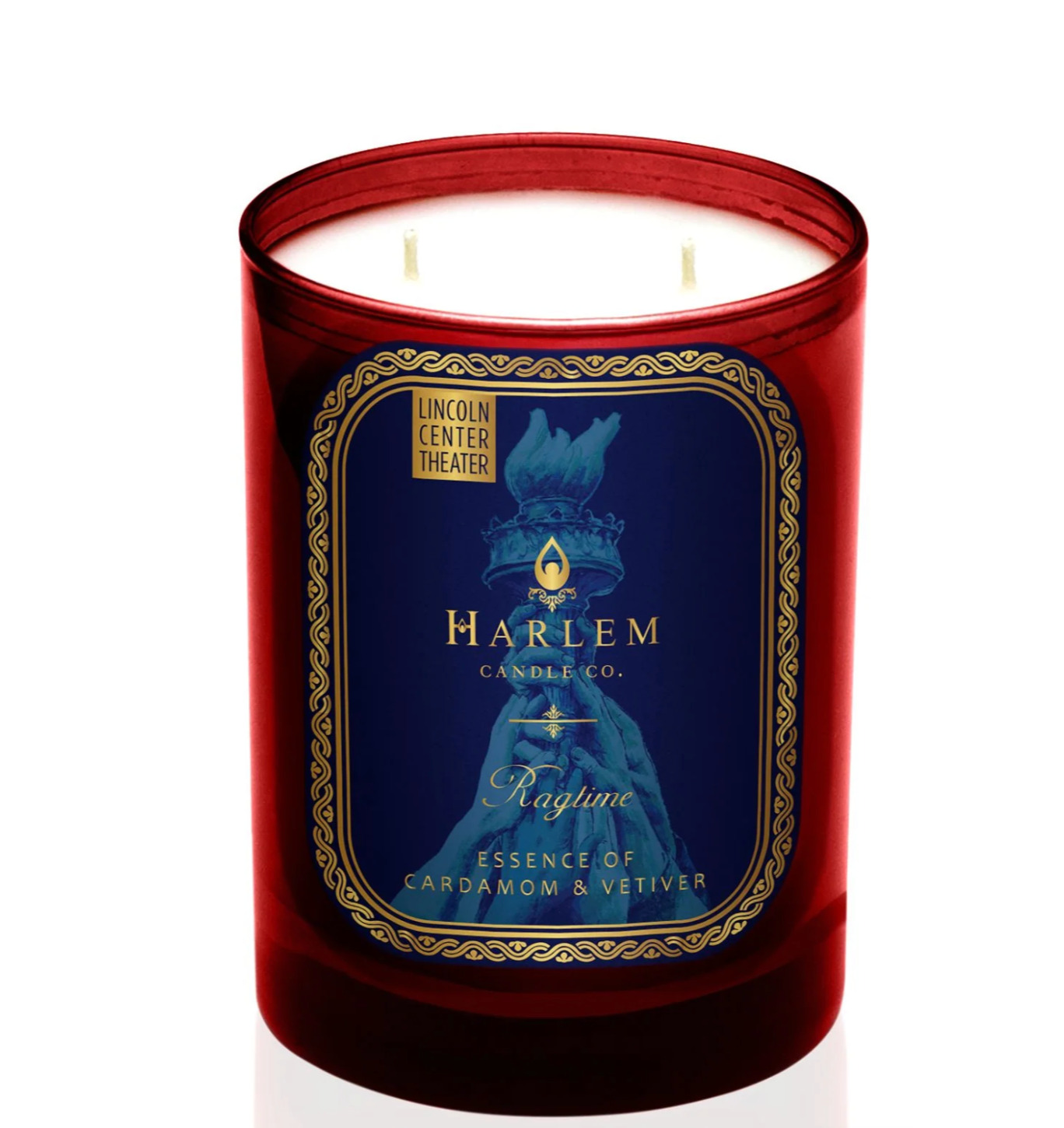
The Ragtime candle, made with Lincoln Center Theater.
Film
Elizabeth Taylor's White Diamonds, launched in 1991, is the moment American celebrity fragrance marketing became something else entirely. The campaign cost $20 million and centered on a short film, White Diamonds Starring Elizabeth Taylor, screened in department stores with popcorn served to shoppers as though it were a theatrical release. It worked. By 2018, the fragrance had generated a reported $1.5 billion in lifetime sales, more than she earned from any Hollywood role. Since 2011, Taylor directed 20% of those sales in perpetuity to the Elizabeth Taylor AIDS Foundation.

The original White Diamonds campaign.
A newer film tie-in shows the same instinct at indie scale. Heretic Parfum partnered directly with Focus Features on a fragrance for Robert Eggers' 2024 Nosferatu, timed to the film's Christmas release. It sold out in two weeks, built an 80,000-person waitlist, and has sold a unit every four minutes since restocking. Company revenue grew 150% in 2025, driven by that collaboration and the one that followed it.
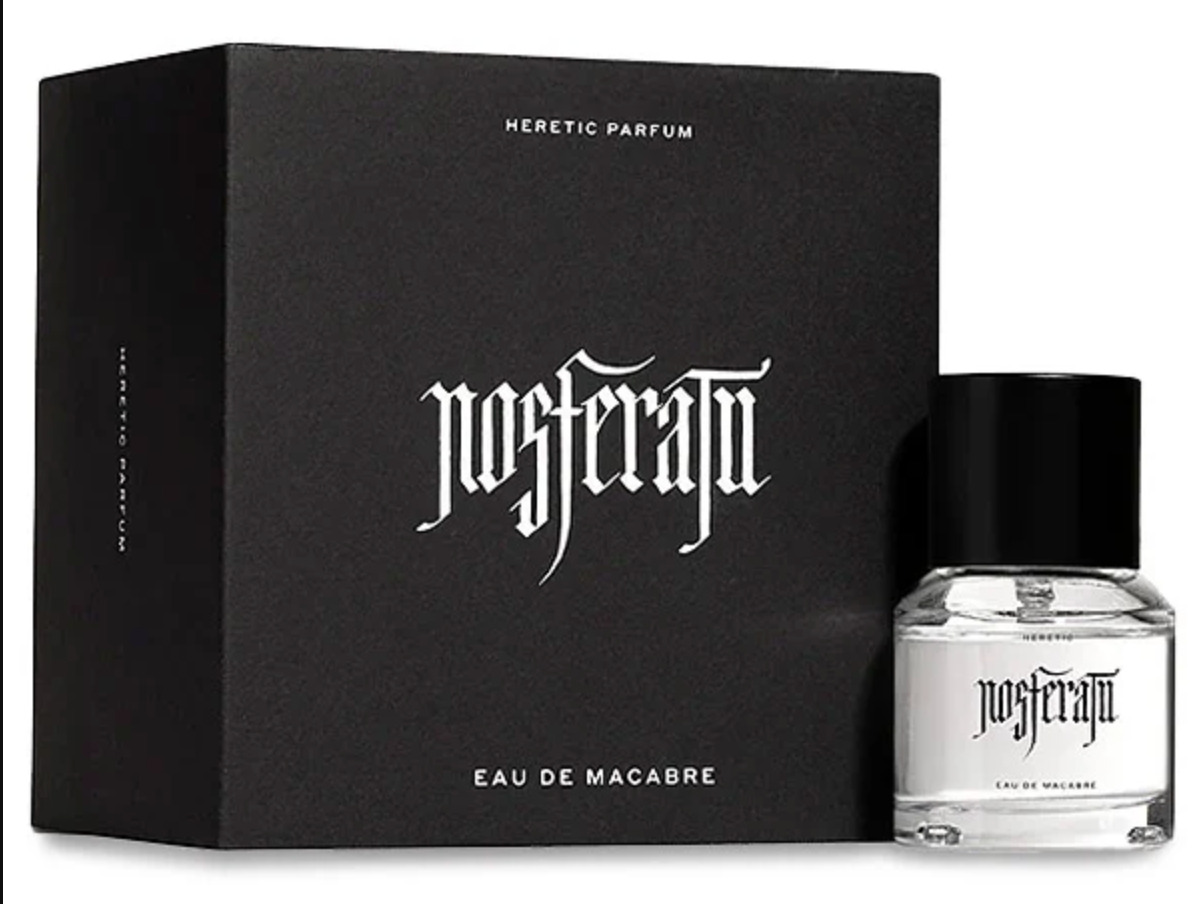
Nosferatu Eau de Macabre, Heretic Parfum's collaboration with Focus Features.
Television did something quieter but just as real, at least abroad. Roy Morgan Research tracked whiskey drinking among 25-34 year olds in Australia climbing from 8.6% in 2006 to 13% by 2013, a jump that started the year after Mad Men premiered in 2007. No equivalent US figure is as cleanly documented, but the timing lines up with the same show driving the same kind of shift here.
Music
Busta Rhymes named Courvoisier in “Pass the Courvoisier” in 2002. The cognac brand saw a real sales bump before he was ever paid to promote it, the endorsement deal came after the song did the work. That freebie became a real business model. Jay-Z built on it directly: he backed Armand de Brignac starting in 2006, featured it in his own music videos, bought the brand outright by 2014, and later sold half of it to LVMH.
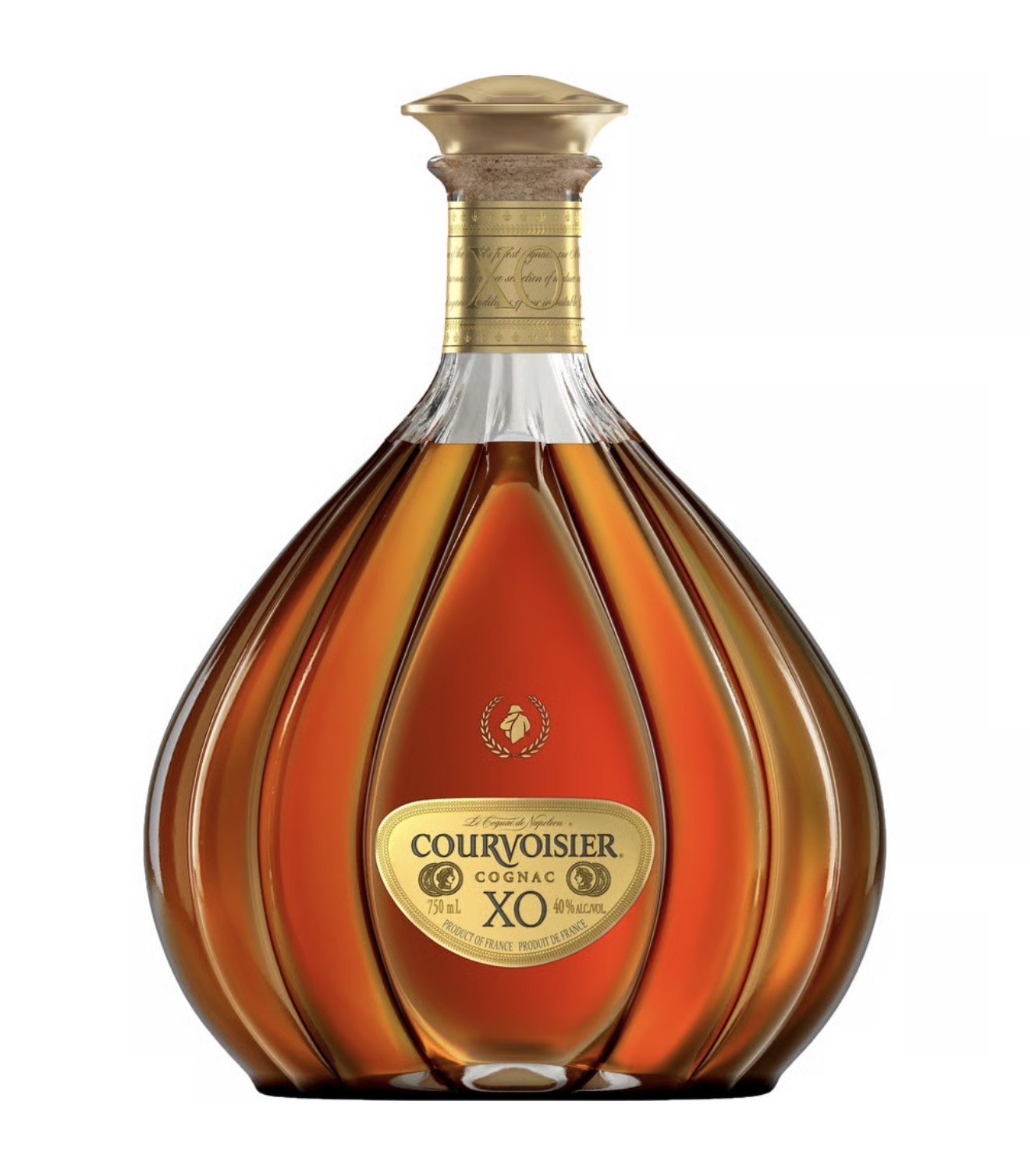
Courvoisier, named in Busta Rhymes' 2002 single.
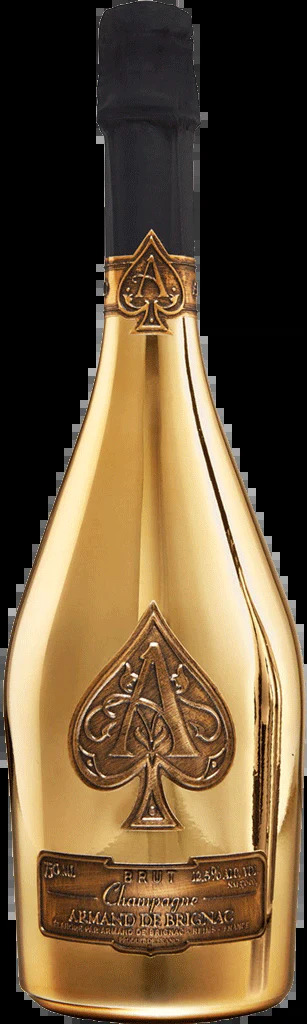
Armand de Brignac, Jay-Z's champagne.
Perfume got its own version of that story from a different direction. Beyoncé launched Heat in February 2010, and it sold 72,000 bottles in its first hour at Macy's alone. By 2013, the line had done $400 million globally, one of the best-selling celebrity fragrances ever released. Music didn't just endorse a scent this time. It built one from scratch and outsold most of the industry doing it.
Metallica took a different approach entirely. In 2018, the band partnered with master distiller Dave Pickerell to launch Blackened American Whiskey, finished with a patented process called Black Noise: barrels blasted with low-frequency sound waves from the band's own music to force deeper interaction with the wood. The inaugural batch, labeled 081 for the year Metallica formed, takes its soundwave graphic from the song “Blackened” itself. Every batch since has shipped with its own curated playlist. This wasn't an endorsement or an ownership stake. It was the band manufacturing the product.
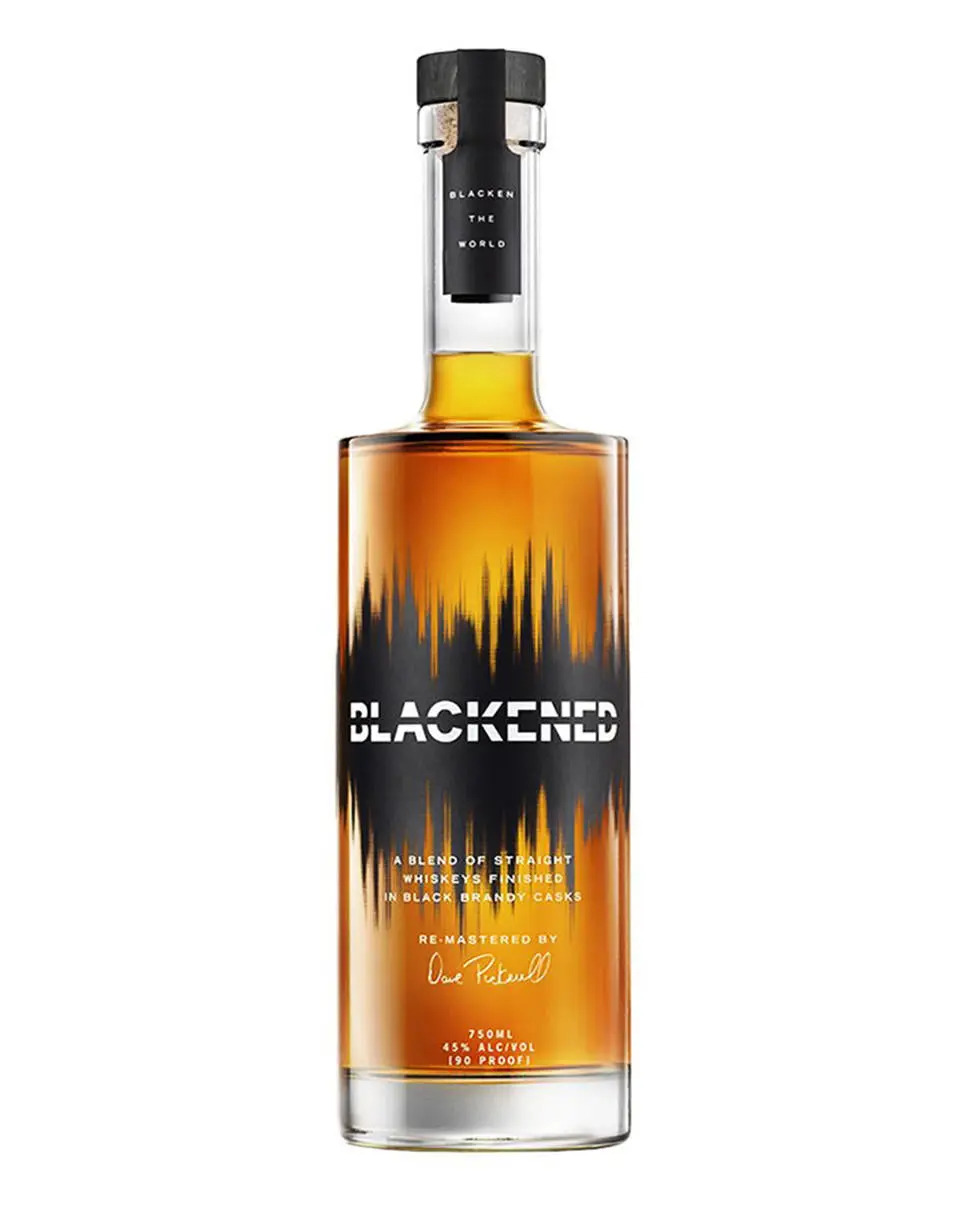
Blackened American Whiskey, finished with Metallica's own Black Noise process.
What America Actually Contributes, Financially
American celebrities haven't just endorsed these products lately. Increasingly, they're making them.
Matthew McConaughey became Wild Turkey's creative director in 2016. He spent two years with master distillers Jimmy and Eddie Russell developing Longbranch, a bourbon finished through Texas mesquite charcoal. It launched in 2018. Bob Dylan co-founded Heaven's Door that same year, named after his own song, and helps select barrels and blend the whiskey himself.
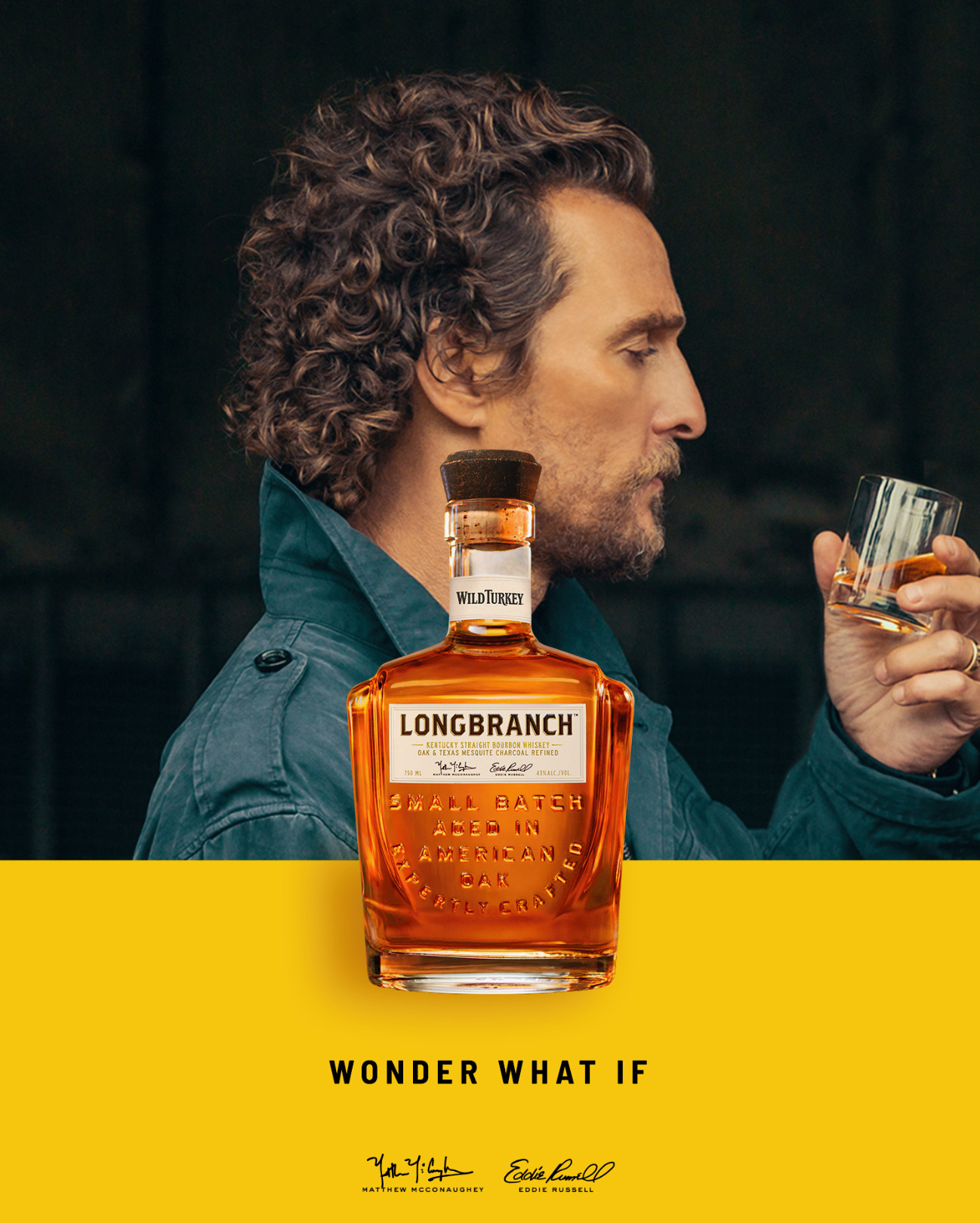
Wild Turkey Longbranch.
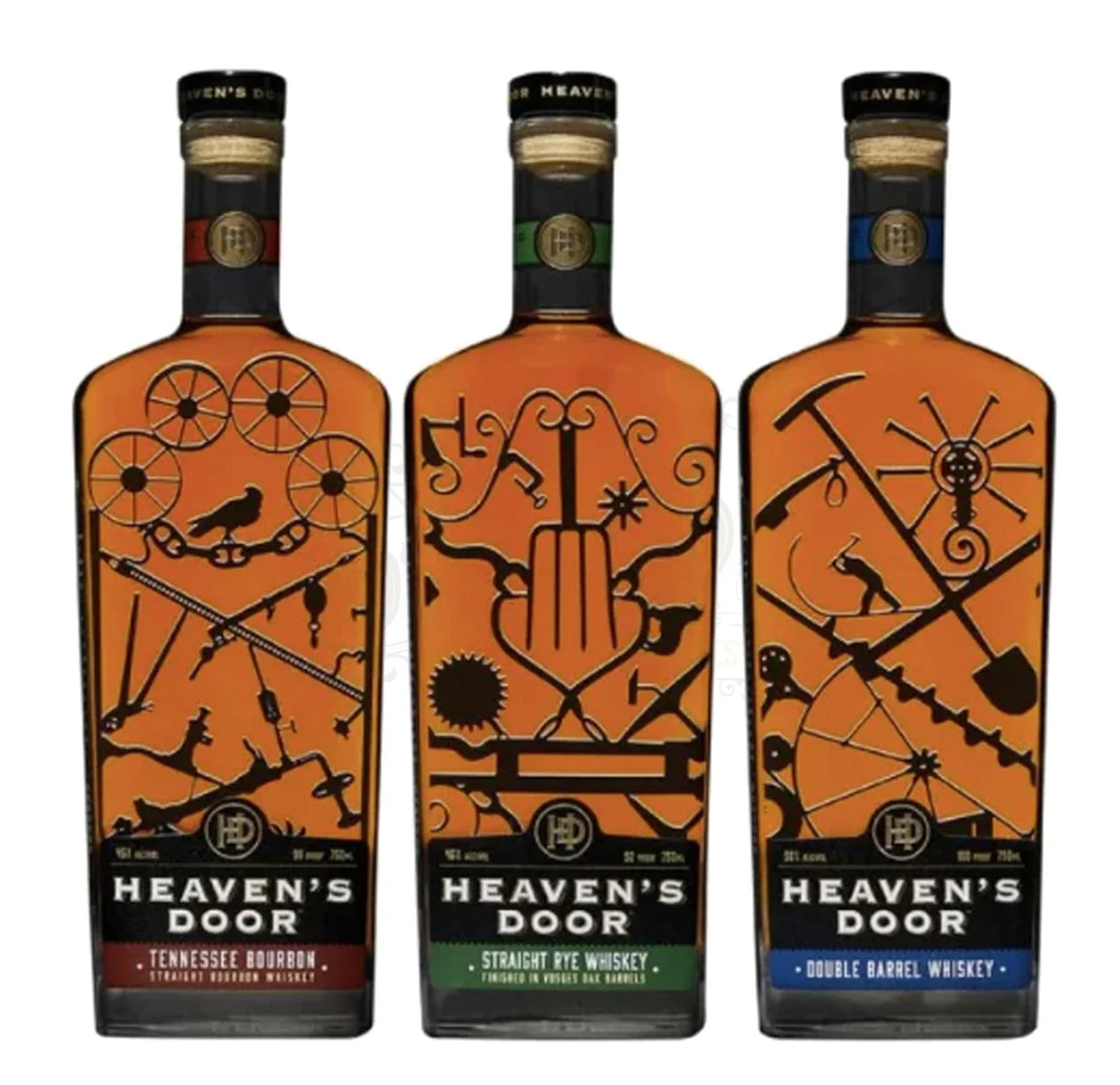
Heaven's Door, co-founded by Bob Dylan.
Perfume runs on endorsement more than ownership. Johnny Depp has been the face of Dior Sauvage since 2015. He re-signed in 2023 for a three-year deal reportedly worth more than $20 million, the most lucrative men's fragrance endorsement in history. Bernard Arnault, CEO of Dior's parent company LVMH, credited Depp's image directly for the fragrance's category-leading sales during a January 2023 presentation of the company's 2022 results. Brad Pitt became the first-ever male face of Chanel No. 5 in 2012 for $7 million. Zendaya has fronted Lancôme's Idôle since 2019, joining a roster that's included Julia Roberts for over two decades.
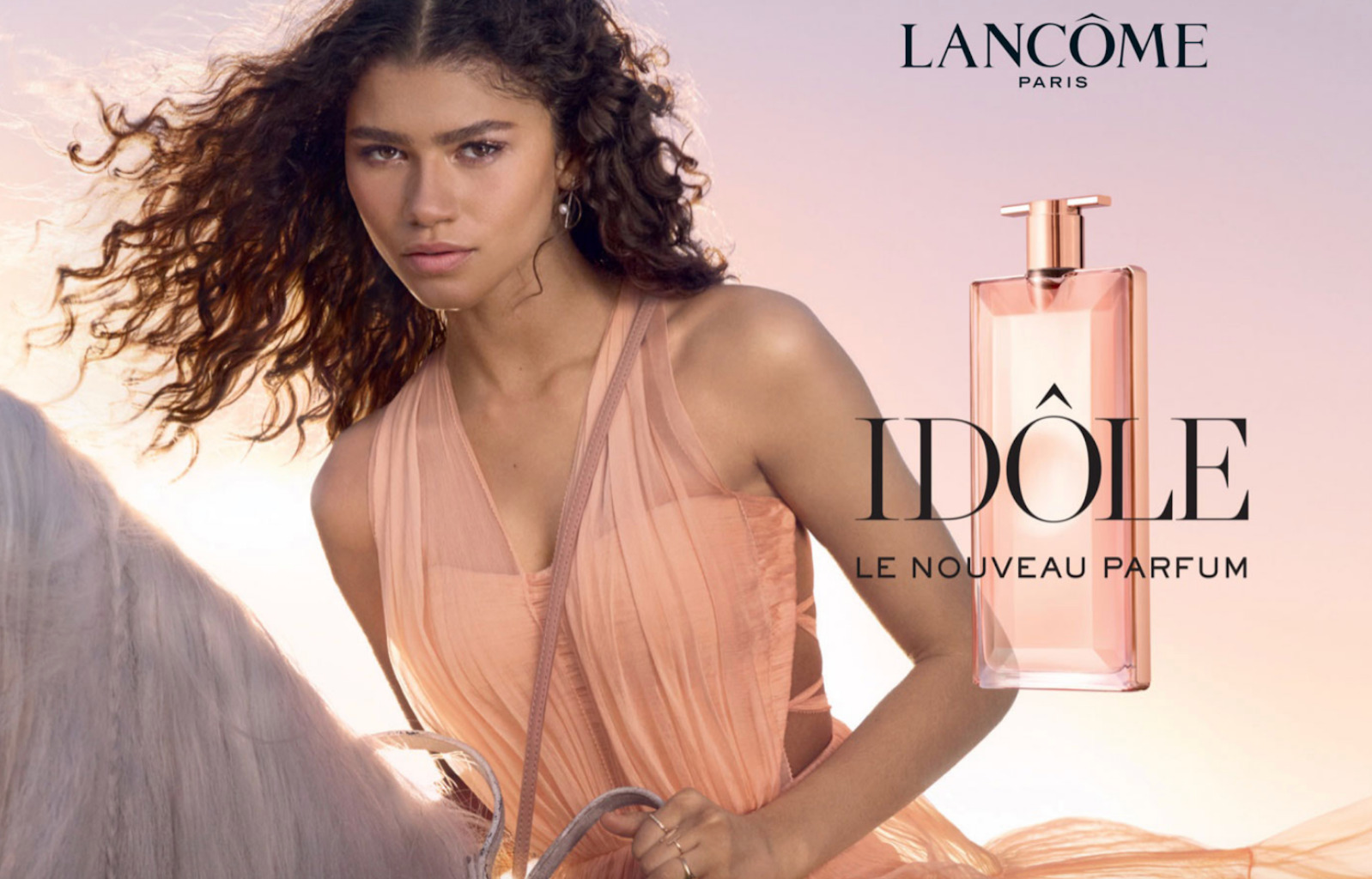
Zendaya, the face of Lancôme's Idôle since 2019.
Wild Turkey is owned by Campari, an Italian company. Dior and Chanel are French. Heaven's Door and Blackened are two of the few names on this list that Americans actually own outright.
Platforms
The newest layer of this is distribution itself. YouTube, Meta, and X are all American companies, built by a mix of immigrants and native-born founders alike: Steve Chen (Taiwan) and Jawed Karim (born in East Germany to a Bangladeshi father and German mother) co-founded YouTube alongside Chad Hurley, born in Pennsylvania. Meta and X trace back to founders born across the country. A craft distillery or a niche perfume house no longer needs a department store campaign or a studio deal to build a global audience. They need a following, built directly, one post at a time.
12. Where This Leaves Things
Both industries got this far on marketing, endorsement money, and now platforms instead of permission from a department store buyer. That's the story the last section just told. Here's where I'd like to see both industries go next.
Spirits and perfume tell two different American stories. Spirits go back to before the country existed. Perfume goes back about eighty years. Both trace through immigration. Both get marketed by American culture at a scale that outpaces what America actually owns.
On the whisky side, small distilleries are already leading on sustainable practices: local grain, spent mash reuse, less water waste. I'd like the bigger houses to catch up instead of treating it as a marketing angle. Sustainability should get the same attention as barrel selection or the Bottled-in-Bond designation.
Since the closing of Barneys, niche perfume houses have been building their audience through social media. I'd like to see them get real space in current department stores, not just dedicated perfume stores. I would love to see transparency in sourcing and sustainability across niche, designer, and clone houses.
The faces selling both industries skew narrow too. Depp, Pitt, McConaughey, Dylan, that's the roster of top-dollar deals this piece found, and none of them are immigrants in a story built almost entirely on immigrant founders. I'd like to see that gap close along with the others.
America turns 250 today. I feel more hope than worry about what happens next. The Lairds, Nathan Green, Estée Lauder, none of them set out to build an industry. They just kept working, and it added up over two centuries. I think the next 250 years get built the same way, by people nobody's watching yet. I'm glad to be around for the start of it.
Subscribe on the Journal for the next installment in this series, covering Tiki and non-whisky American spirits.